
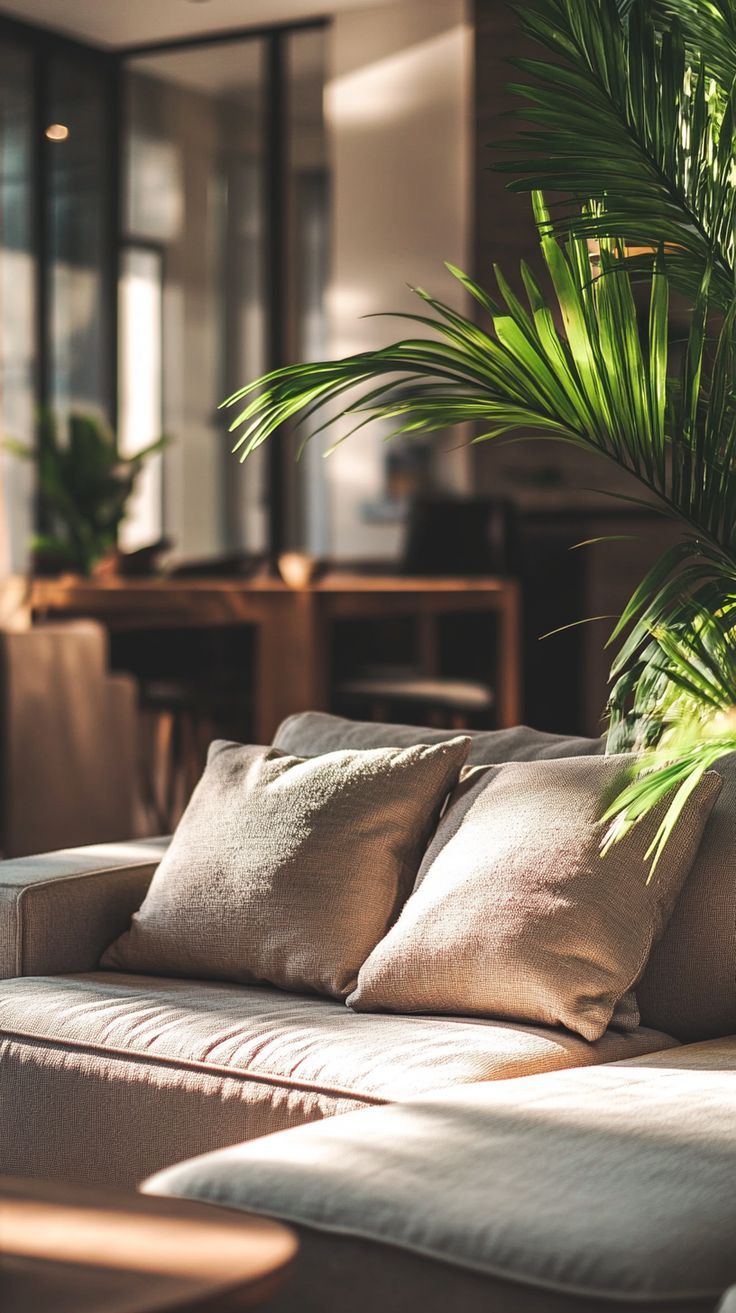
May has a certain kind of light.
Not the harsh interrogation of summer, not the moody dimness of winter—May light is generous. It slips in quietly, lingers a little longer, and somehow makes even your most questionable life choices look better.
The question is: are you using it… or just letting it fall awkwardly on that one chair no one sits on? Because sunlight isn’t just there. It’s a design element. A free one. And unlike your last décor purchase, it doesn’t come with regret or delivery delays.
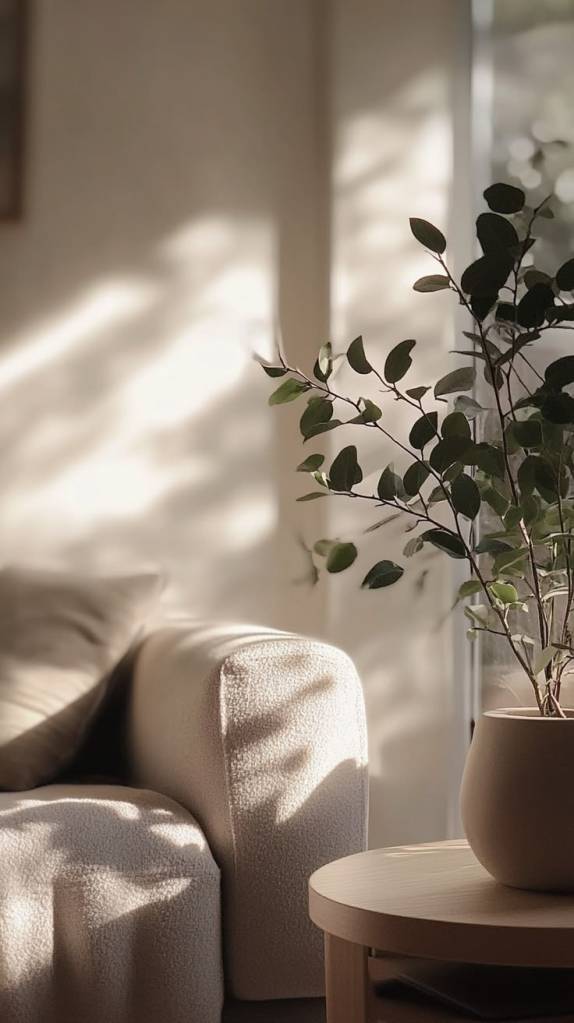
Light Isn’t Background. It’s the Main Character.
We often treat sunlight like background noise—something that happens while the “real” design (furniture, colors, décor) takes center stage.
But sunlight changes everything it touches.
That beige wall? It can turn golden at 5 pm.
That blue cushion? It might suddenly look like it belongs in a completely different house by noon.
Even your mood shifts—soft morning light feels hopeful, afternoon light feels productive, evening light feels like a gentle sigh.
Design without considering light is like dressing up and forgetting where you’re going.
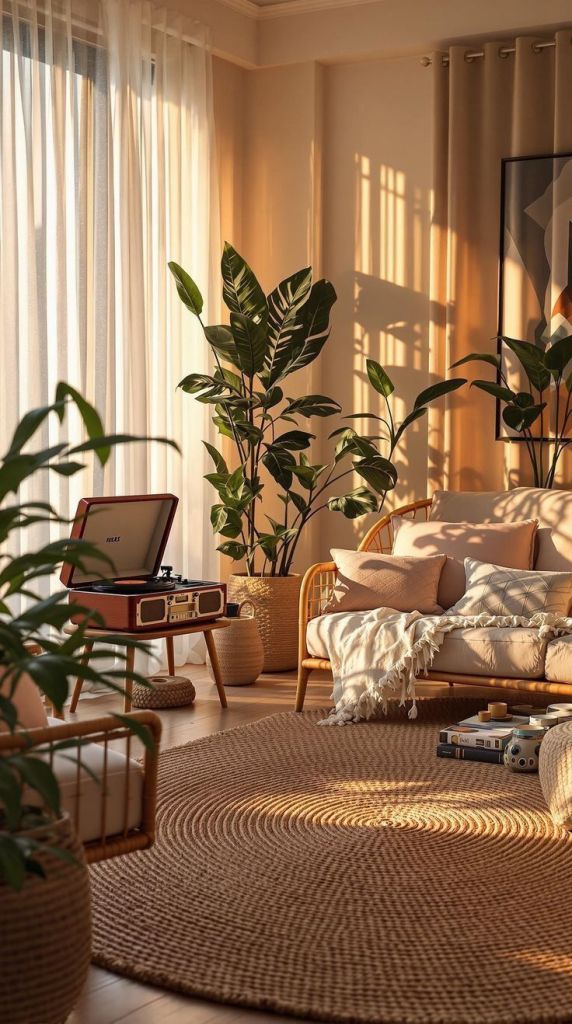
The Direction Matters (More Than You Think)
Not all sunlight is created equal.
- East-facing light is soft and optimistic—the kind that makes mornings feel like a fresh page. Perfect for breakfast nooks or corners where you want to begin your day.
- South-facing light is consistent and bright. Great for living areas, but also slightly unforgiving (it will expose dust, so… choose peace).
- West-facing light is dramatic. Golden, moody, slightly cinematic. Ideal for spaces meant to unwind—think warm evenings and long conversations.
- North-facing light is calm and diffused. Less dramatic, more steady. Perfect for spaces where you want quiet focus.
Understanding this isn’t about being technical—it’s about letting your home work with the light, not against it.
Furniture Placement: Stop Blocking the Good Stuff
If your biggest window is currently behind a bulky sofa… we need to talk.
Light should be invited in, not obstructed like an uninvited guest.
- Pull heavy furniture away from windows.
- Keep sightlines open so light can travel deeper into the room.
- Create seating towards the light, not away from it.
A chair by a window isn’t just a chair. It’s an experience. A moment. A place where time slows down just enough for you to notice it.
Reflective Textiles: The Quiet Glow-Up
Not everything needs to shine loudly to make an impact.
Certain fabrics—soft silks, subtle satins, even slightly textured linens—catch light in the most delicate way. They don’t reflect it harshly; they diffuse it.
Think of it as your home wearing a soft filter.
A cushion that glows slightly when sunlight hits. Curtains that shimmer without trying too hard. These small details create a layered, almost ethereal effect—like your home understands mood lighting better than most restaurants.
Pale Woods & Light Surfaces: Let the Light Bounce
Dark surfaces absorb light. Pale ones play with it.
Light-toned woods, soft neutrals, matte finishes—they allow sunlight to move, bounce, and expand within a space. Suddenly, a room feels bigger, softer, more open.
It’s less about “brightening” and more about amplifying what’s already there.
And no, this doesn’t mean your home has to turn into a beige showroom. It just means giving light a few surfaces it can dance on.
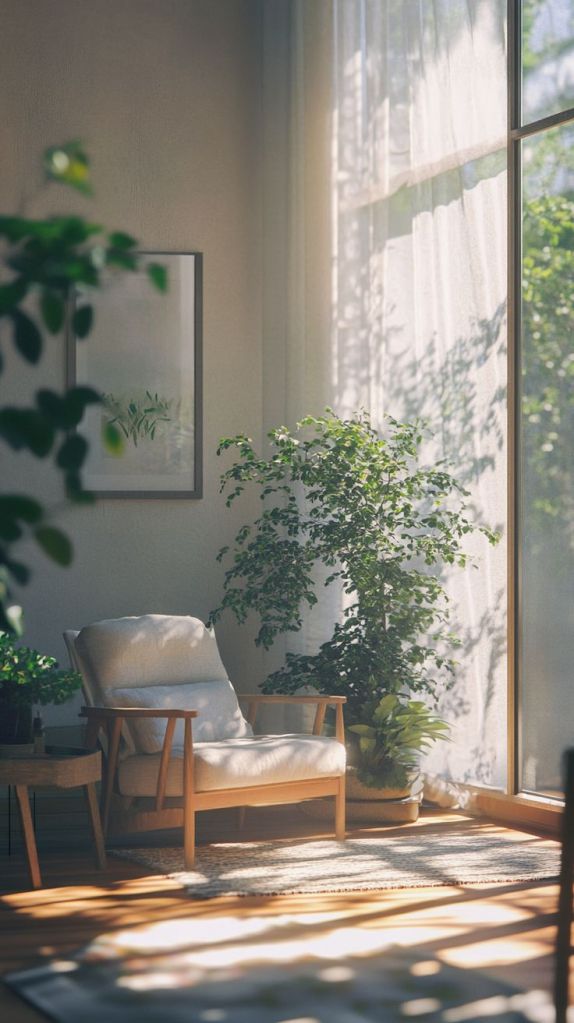
Shadow Play: The Most Underrated Design Detail
We talk so much about light… but what about shadows?
Shadows are where the magic happens.
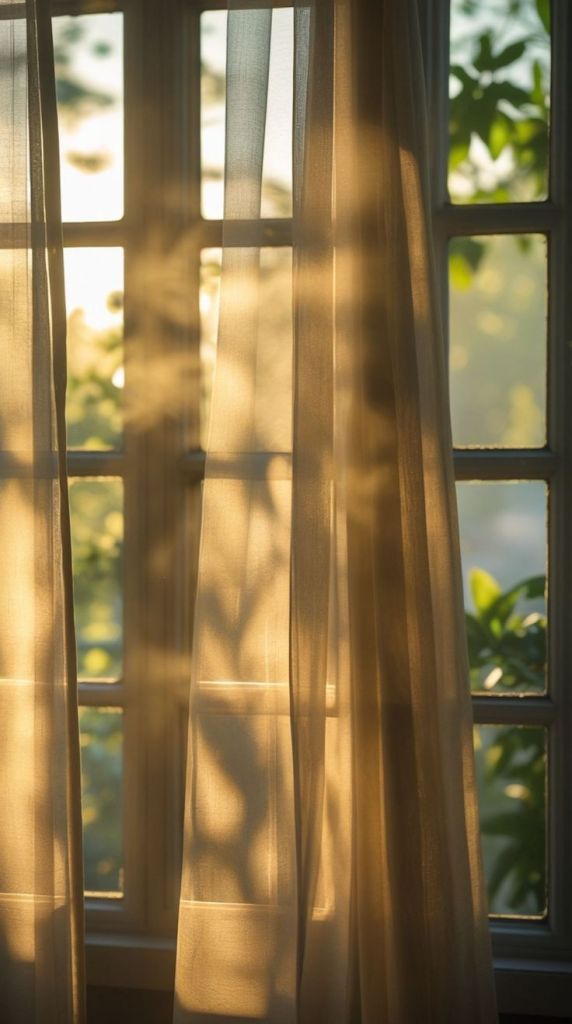
The way a sheer curtain filters sunlight into soft patterns.
The way a plant casts moving shapes on the wall.
The way light shifts throughout the day, quietly rearranging the room without asking your permission.
Instead of eliminating shadows, design with them.
Layer your windows with sheers. Add objects that create interesting silhouettes. Let sunlight tell a story that changes every hour.
It’s like having art on your walls that never stays the same—and costs absolutely nothing.
Clean Windows. Yes, This Again.
There’s no poetic way to say this.
Dirty windows are blocking your glow.
You can have the most beautiful interiors, but if your sunlight is struggling to get through a layer of dust… it’s a losing battle.
So consider this your gentle (but firm) reminder.
Design for the Day, Not Just the Look
A room isn’t static. It changes with time.
Notice how your space feels at different hours:
- Where does the light fall in the morning?
- Which corner glows in the evening?
- Where does it disappear entirely?
Design around these moments.
Maybe your morning coffee spot isn’t where your couch is—it’s where the light hits at 8 am.
Maybe your evening corner isn’t planned—it’s where everything turns golden just before sunset.
Let light guide you. It knows things.
The May Mindset
Sunlight is the only design element that evolves without effort.
It shifts, softens, intensifies, fades—and in doing so, it changes your home over and over again.
You don’t need to chase perfection.
You don’t need to add more things.
You just need to notice where the light already is… and stop getting in its way.
Because the best-designed homes aren’t the ones with the most décor—
they’re the ones that know exactly what to do with the light.
~ Manzil e Meena
 Manzil e meena
Leave a comment