
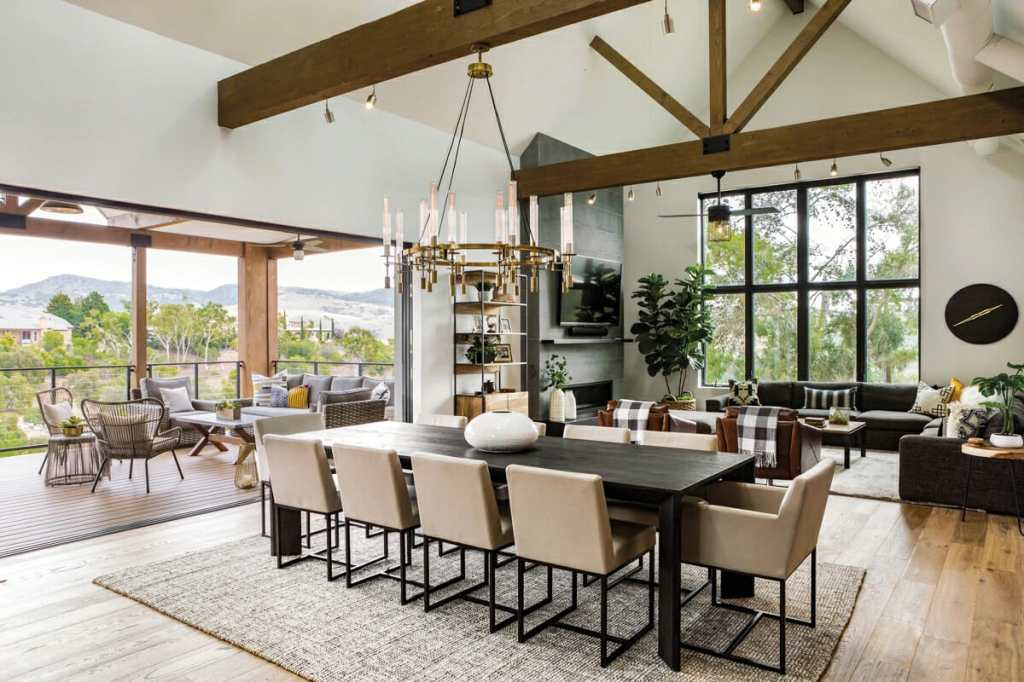
In the ever-evolving world of interior design, the concept of open spaces has emerged as a timeless trend that continues to captivate homeowners and designers alike. Open spaces are more than just a design choice; they represent a lifestyle and a philosophy of living that celebrates freedom, connection, and functionality. This article delves into the art of open spaces, exploring how this design approach can transform your home into a harmonious and inviting sanctuary.
Embracing Versatility
One of the key principles of open space design is versatility. Open spaces break down traditional room boundaries, creating fluid, multi-functional areas that adapt to your needs. By embracing versatility, you can seamlessly transition from cooking in the kitchen to entertaining in the living room, all while maintaining a sense of connectedness with your family and guests.
To achieve this versatility, consider using movable furniture, such as modular sofas and extendable dining tables. These pieces allow you to configure your space to accommodate various activities, from family dinners to movie nights.
Maximizing Natural Light
Open spaces thrive on natural light. Large windows, skylights, and strategically placed mirrors can amplify the illumination in your home, creating an inviting and airy atmosphere. Incorporating bi-fold or sliding doors that connect your indoor and outdoor spaces can also blur the line between inside and outside, enhancing the feeling of spaciousness.
When selecting window treatments, opt for sheer curtains or blinds that allow sunlight to filter through while maintaining privacy. Additionally, choosing light, reflective colors for your walls and furniture can further enhance the brightness of your open space.
Creating Zones with Purpose
While open spaces celebrate fluidity, they also benefit from the creation of distinct zones with specific purposes. These zones can be defined by furniture placement, rugs, lighting, or even subtle changes in flooring material. For example, a rug under the dining table can delineate the dining area within an open-plan space.
Consider the needs of your household when defining these zones. A cozy reading nook, a workspace, or a play area for children can all be seamlessly integrated into your open space, providing functionality without sacrificing aesthetics.
Embracing Minimalism
The minimalist approach is often associated with open spaces, as it emphasizes simplicity and clutter-free living. To achieve a minimalist aesthetic, focus on quality over quantity when selecting furniture and decor. Invest in timeless pieces that complement the overall design, and keep only items that serve a purpose or hold sentimental value.
Storage solutions are also crucial in maintaining a clutter-free open space. Incorporate built-in cabinets, shelves, or hidden storage to keep your belongings organized and out of sight, allowing your design to shine.
Balancing Acoustics
One potential challenge of open spaces is managing acoustics. Without walls to absorb sound, noise can easily bounce around and create a less-than-peaceful atmosphere. To address this issue, incorporate soft materials like curtains, rugs, and upholstered furniture to help dampen sound.
Strategically placing decorative elements, such as wall panels or acoustic art, can also aid in sound control while adding a touch of style to your open space.
SO…
Open spaces are more than just a design trend; they represent a way of living that encourages freedom, connection, and functionality. By embracing versatility, maximizing natural light, creating purposeful zones, adopting minimalism, and balancing acoustics, you can craft an open space that not only looks stunning but also supports your lifestyle.
The art of open spaces lies in the balance between aesthetics and functionality, creating a harmonious environment that reflects your unique personality and allows your home to evolve with your changing needs. So, whether you’re renovating your current home or planning a new one, consider the transformative power of open space design in creating a haven that celebrates the beauty of living with space, light, and purpose.
 Manzil e meena
Leave a comment